Septal Perforation Surgery in London
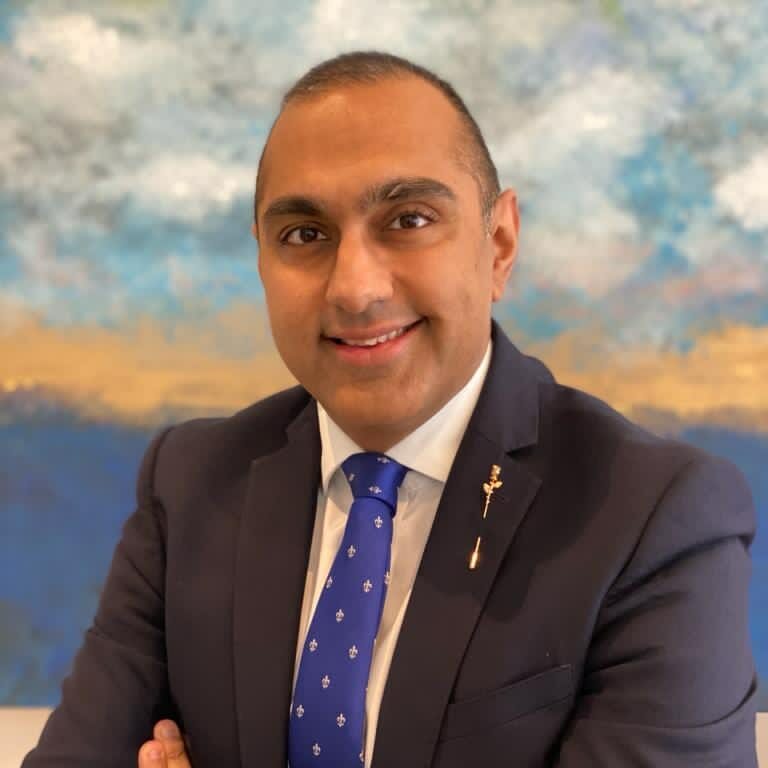
Book a consultation with Mr Raj Lakhani, a highly regarded surgeon with specialist expertise in septal reconstruction and repair.
Surgical reconstruction for septal perforation
If medication or a septal button is not successful for septal perforation, then surgery to repair the hole in the partition of the nose can be performed.
Mr Lakhani has a specialist interest in septal reconstruction and repair. He tailors his repair technique to the individual to optimise the chance of successful repair.
What is a Septal perforation?
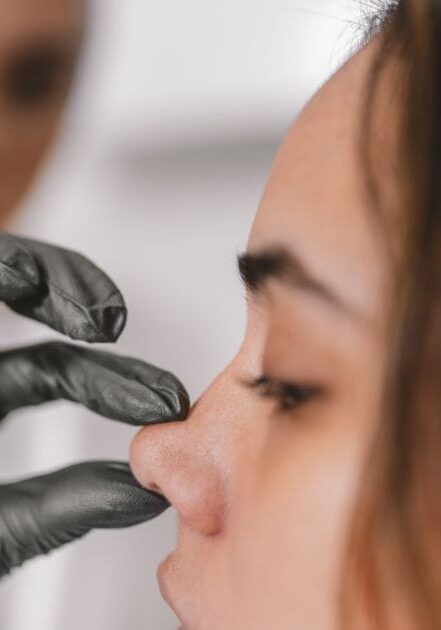
The septum is the partition in the centre of the nose, which divides the nose into the left and right sides. If a septal perforation (hole) is present in the septum of the nose it cannot close without surgery. There are temporary treatments which can help if the hole becomes troublesome, however. You may rarely see the hole in the nasal septum, but it can cause other problems such as:
- Crusting
- Whistling
- Bleeding
- Nasal blockage
- Nasal shape change
What causes a perforated septum?
- Trauma or injury
- Substance use
- Medical procedures
- Chronic infections
- Autoimmune diseases
What treatments can be offered for a perforated septum?
Non-Surgical Treatments
Non-surgical approaches are often the first step for most perforations or for patients who prefer a less invasive option. These include:
- Moisturising the nasal passages: Saline sprays, gels, and humidifiers can keep the nasal tissues hydrated and reduce symptoms like dryness and crusting.
- Nasal irrigations: Rinsing your nose with a saline solution helps clear out irritants and promote healing.
- Antibiotic creams: Antibiotics creams can be very helpful for treating nasal crusting or local infections in the nose. They are usually used alongside nasal irrigations for short periods.
- Septal button insertion: A small device, like a silicone plug, can be placed into the hole to close it temporarily. This restores normal airflow and minimises symptoms.
Risks: Non-surgical methods are generally safe, but septal buttons may cause irritation, crusting or discomfort for some people.

Surgical Repair
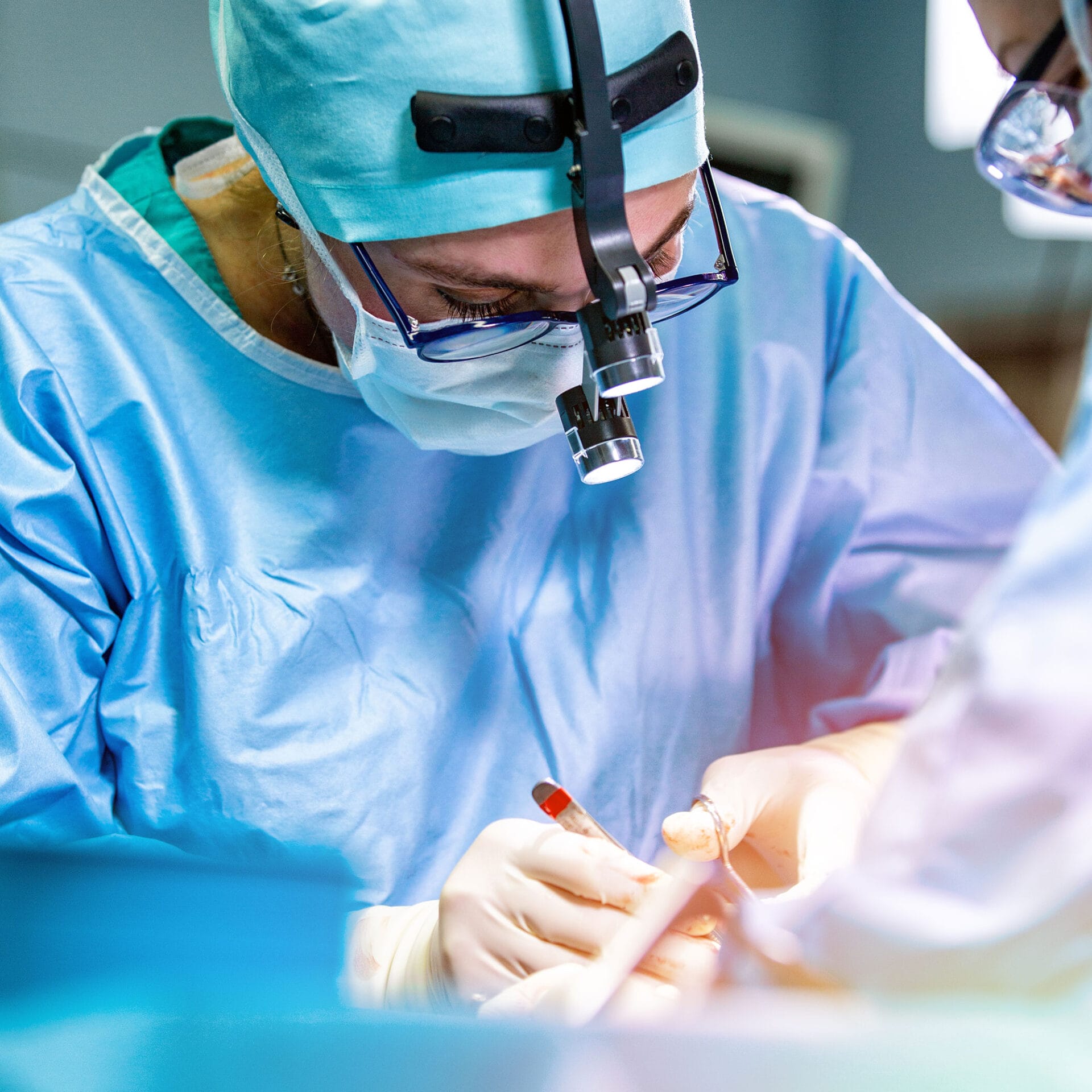
Surgery is the only way to permanently close a septal perforation. It is typically recommended for perforations that do not respond to non-surgical options or when symptoms are severe.
- Procedure: Your surgeon will use tissue from your nose or another part of your body to create a flap that closes the hole.
- Recovery: Recovery takes several weeks. During this time, you will need to avoid strenuous activities, blowing your nose, or exposing your nose to irritants.
- Risks: While complications like infection, bleeding, or incomplete closure can occur, they are rare when performed by experienced surgeons.
Advanced Reconstruction
For large or complex perforations, advanced surgical techniques may be needed. This often involves using cartilage grafts from your rib, ear, or other areas.
- Procedure: The cartilage is shaped and used to reconstruct the damaged septum. This technique requires specialized expertise.
- Recovery: Recovery times are longer, typically several months, with regular follow-ups to ensure proper healing.
- Risks: Potential risks include graft rejection, infection, or complications related to cartilage harvesting.

RECOVERY: WHAT TO EXPECT
Your recovery will depend on the treatment method used. Non-surgical treatments provide symptom relief quickly but will not heal the perforation. Surgical repairs, on the other hand, offer a permanent fix but involve downtime.
To ensure a smooth recovery:
- Follow your doctor’s instructions for aftercare.
- Use prescribed medications, such as nasal ointments or antibiotics, as directed.
- Avoid activities that could harm your nose, like heavy lifting or blowing your nose.
Bespoke approach at Rhinoplasty LDN
Mr Raj Lakhani has unrivalled experience in performing surgical reconstructions for septal perforations. He treats every patient on their individual needs, ensuring a tailored approach to address the complexity of each case. Combining advanced surgical techniques with a thorough understanding of nasal anatomy to deliver exceptional results, you can trust in his expertise to give you the best possible outcome.